Proyecto Petrel de Galápagos · Petrel Trails

From the highlands
to the sea

A low-impact ecotourism experience that connects the conservation of the Galápagos Petrel directly to regenerative tourism, using the strategic position of the farm on the east side of Laguna El Junco, inside one of the most important nesting zones for the species. The visitor does not only observe nature; they take an active part in protecting one of the most threatened birds in the archipelago.

Where your booking goes

Five programmes funded by 15% of every group booking

Reforestation

Programme

Reforestation

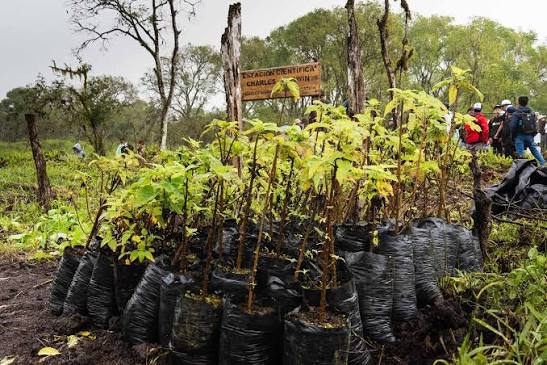
Planting native and endemic species — Miconia, Scalesia, Guayabillo, Matazarno and more — on cleared highland ground.

  • —Nursery work, planting and follow-up monitoring
  • —Guests plant and register their own tree
  • —Invasive species removal on the same plots
Petrels

Programme

Petrels

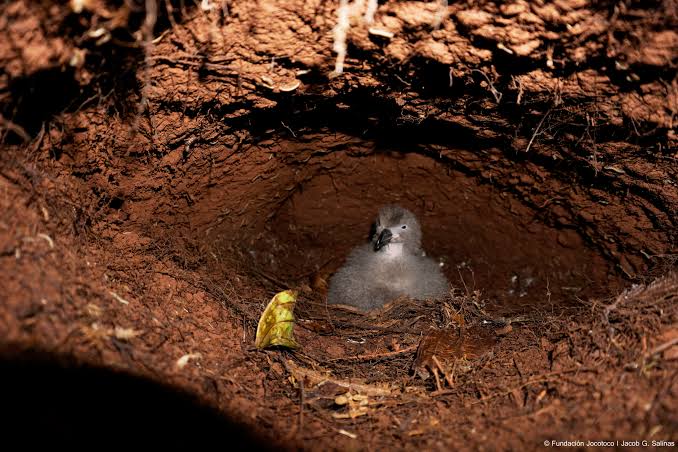
The Galápagos Petrel Project: burrow monitoring and predator control on the nesting slopes above the farm.

  • —Burrow census with the conservation team
  • —Rat and cat control around nesting areas
  • —Night listening walks in the breeding season
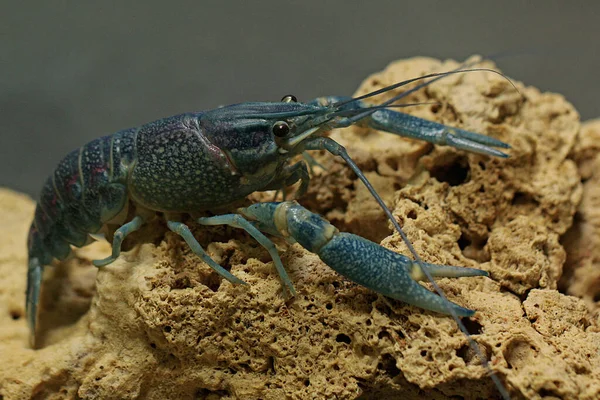
Crawfish

Programme

Crawfish

Lobster monitoring with local fishermen to keep the seasonal catch inside sustainable limits.

  • —Size and catch recording with fishing families
  • —Closed-season awareness work in the port
  • —Data shared with the National Park
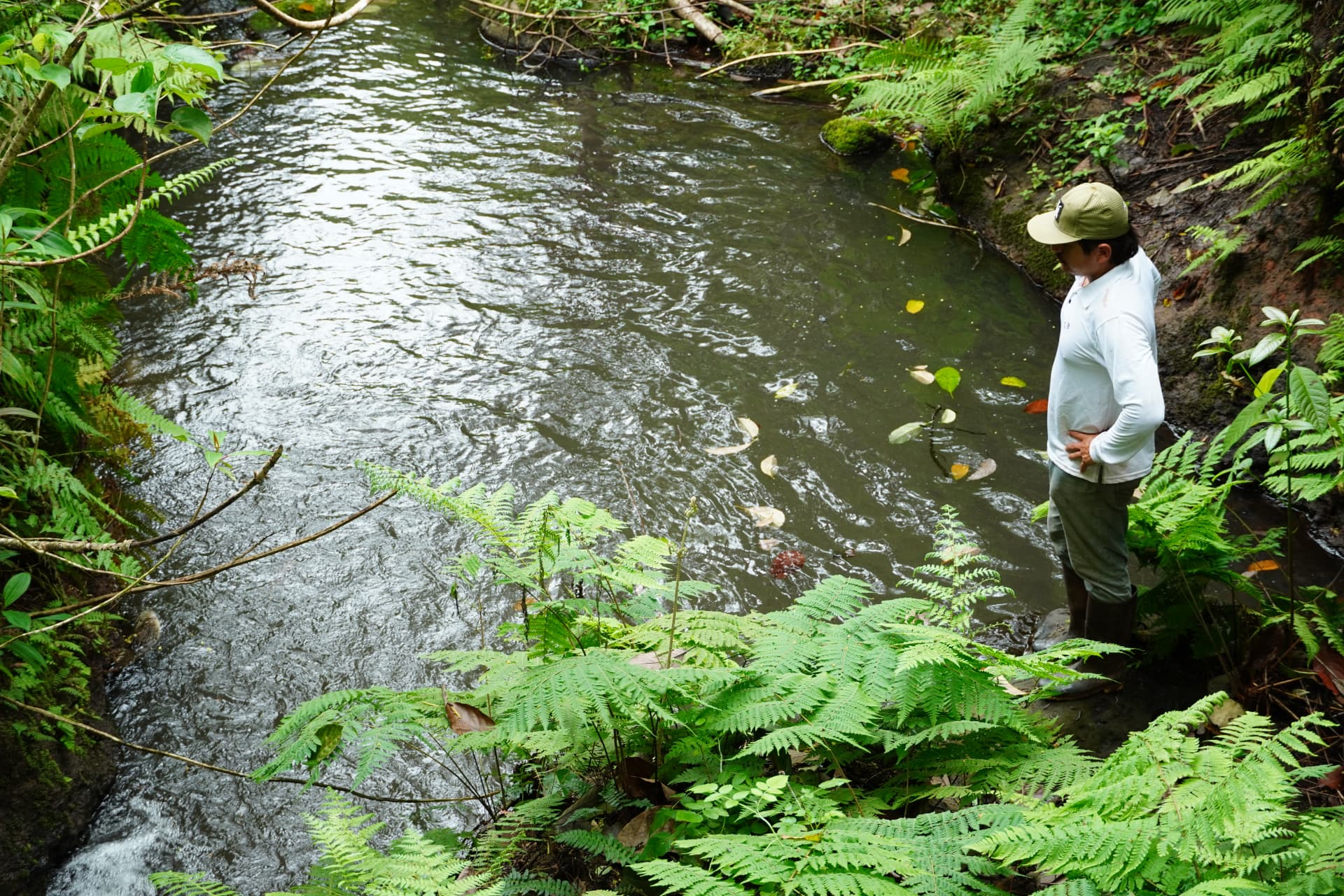
Water

Programme

Water

Protecting the freshwater sources that make the highlands — and the town below — habitable.

  • —Spring and stream protection fencing
  • —Water quality sampling in the catchment
  • —Reforestation of the recharge zone
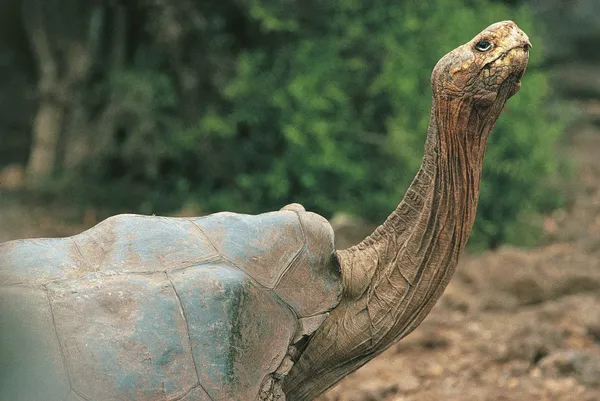
Giant Tortoise

Programme

Giant Tortoise

Restoring the highland habitat the San Cristóbal giant tortoise depends on.

  • —Native food-plant planting in tortoise range
  • —Fence removal along migration corridors
  • —Sighting records shared with park rangers

The experience integrates

01Conservation of the Galápagos Petrel

02Interpretive hiking

03Mountain biking

04Horseback riding

05Agrotourism

06Conservation of water sources

07Ecological restoration

08Environmental education

09Citizen participation in science and monitoring

Justification

A vulnerable endemic bird that breeds only in the humid highlands

The Galápagos Petrel is an endemic species classified as vulnerable and depends on the humid highland ecosystems to breed. It is the only seabird that nests in the highlands of the larger islands — exactly where the agricultural zone lies — digging burrows into the walls of ravines and collapsed lava tunnels.

The humid agricultural zone of San Cristóbal holds extraordinary conservation value because it connects protected areas with private properties that can function as biological corridors. Research on the Galápagos highland farming zones highlights these humid areas as among the most productive and biodiverse ecosystems of the archipelago, and as fundamental for conserving endemic species and controlling invasives.

Principal threats

  • Introduced rats

    Predate eggs and chicks inside the burrows.

  • Feral cats

    Take adults and fledglings at the burrow entrance.

  • Wild pigs

    Trample and collapse burrows across nesting slopes.

  • Invasive blackberry

    Rubus niveus grows dense and thorned over burrow mouths; chicks and adults cannot leave or return and are sometimes trapped until they die.

  • Habitat loss

    Nesting ground is lost as humid highland is converted or abandoned.

Vision

To turn Galápagos Therapy Ecofarm into the leading model of regenerative tourism and private conservation of the Galápagos Petrel.

Conservation

  • —Protect nesting zones
  • —Monitor active burrows
  • —Control invasive species
  • —Restore native habitat
  • —Create ecological corridors

Tourism

  • —Diversify the offer of San Cristóbal
  • —Develop an activity complementary to the marine tours
  • —Generate permanent income for conservation

Education

  • —Raise visitor awareness
  • —Involve travellers in real conservation actions
  • —Train local guides

Tourism experiences

Four ways to enter the nesting grounds

01

Petrel Conservation Hike

4 – 5 hours

  • —Interpretive walk
  • —Visit to active burrows (seasonal)
  • —Nest monitoring
  • —Camera-trap explanation
  • —Threat identification
  • —Fruit tasting
  • —Reforestation

Conservation donation: 15% of the tour value.

02

Petrel Mountain Bike Expedition

5 hours

  • —Bicycles
  • —Naturalist guide
  • —Interpretive stations
  • —Organic snack

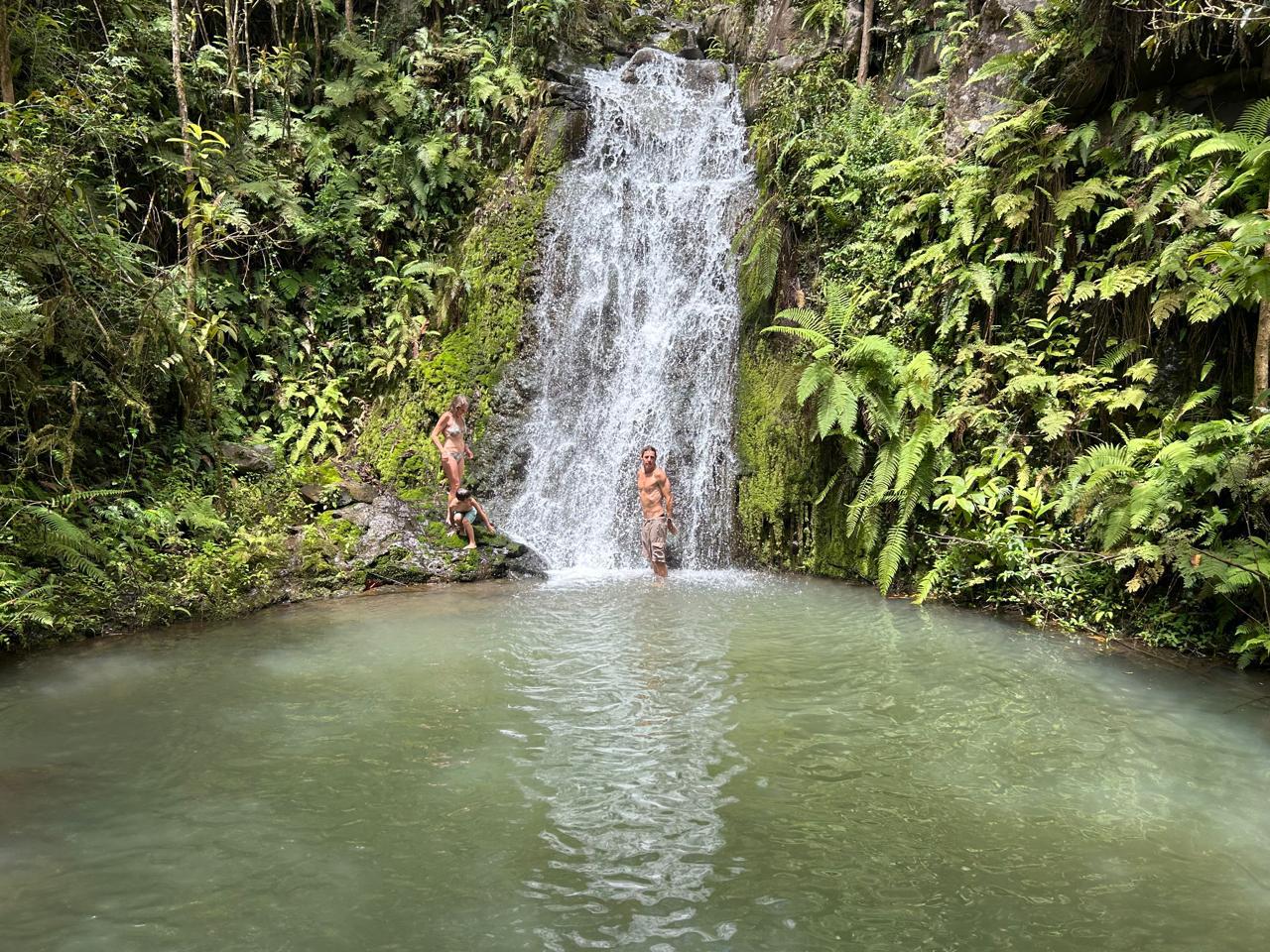
Route: Laguna El Junco → Petrel zone → waterfalls → Ecofarm. Capacity limited to minimise impact.

03

Highland Horseback Conservation Ride

4 hours

  • —Humid forest
  • —Water sources
  • —Nesting zones
  • —The farm

Ideal for older guests or visitors who prefer not to walk long distances.

04

Petrel Conservation Volunteer Day

Full day · premium experience

  • —Nest monitoring
  • —Blackberry removal
  • —Camera installation
  • —Trail maintenance
  • —Planting of native species

Participants receive a certificate of participation.

Interpretive stations

Six stops between the crater lake and the farm

Station 1

Laguna El Junco

  • The only permanent freshwater lake
  • Volcanic formation
  • Hydrological importance

Station 2

Miconia Forest

  • The humid zone
  • Water capture
  • Endemic flora

Station 3

The Petrel's Underground World

  • Life cycle
  • Burrows
  • Migrations
  • A replica burrow can be built here

Station 4

Threats

  • Rats
  • Cats
  • Pigs
  • Blackberry
  • Trap and monitoring demonstration

Station 5

Water Sources of the Farm

  • Watershed conservation
  • Freshwater production
  • Ecosystem services

Station 6

Galápagos Therapy Ecofarm

  • Regenerative agriculture
  • Cacao
  • Fruit trees
  • Reforestation

Scientific component

Visitors help gather real field information:

  • Number of active burrows
  • Bird activity
  • Presence of invasive species
  • Photographic records

Shared with

Galápagos National Park · Charles Darwin Foundation · Universities

Restoration programme

Every visitor finances

  • One native or endemic plant
  • Invasive species control
  • Nest monitoring

5,000 plants in 5 years

20 hectares of habitat recovered

Initial goal of the programme, planted and monitored with guests on every departure.

Recommended infrastructure

Petrel Interpretation Centre

A small museum: natural history, night sounds, migration maps and live burrow cameras.

Petrel Viewpoint

A panoramic mirador over Laguna El Junco, the agricultural zone and the east coast.

Elevated Trail

Raised walkway through sensitive ground to avoid soil compaction and burrow collapse.

Economic model

15%
of group profits

Fifteen percent of the earnings from every group goes straight into the fund. The more the area is visited, the further into the hard-to-reach sectors the protection can extend.

40 visitors per week
Price per person$85
Weekly income$3,400
15% to conservation$510
Annual conservation fund≈ $26,500

That fund pays for

  • —Rat traps
  • —Camera traps
  • —Wages for blackberry control
  • —Scientific monitoring
  • —Ecological restoration

The differentiating element

“Every step you take on the trail helps protect a Petrel burrow.”

That is what makes the project unlike any other walk in the Galápagos highlands: it turns nature tourism into active conservation — aligned with international regenerative travel and with the exceptional ecological value of the humid highlands of San Cristóbal, recognised as key areas for biodiversity, fresh water and endemic species.

Monitoring routes cross the Miconia forest
The ravines where burrows are dug
The working ecofarm that hosts the project